
Financial Planning and Investment

The Government has released draft regulations that would require certain retailers to accept cash payments, ensuring Australians can still buy essential goods like groceries and fuel – even when technology fails. The change aims to stop people from being excluded when power, internet, or card systems go down, or when they simply prefer to pay in cash. Who Will Need to Accept Cash – and Who Won’t The new rules are targeted and, importantly, practical. They’ll apply to fuel stations and grocery retailers, including both major supermarket chains and independent operators, but only for in-person transactions under $500. That means you won’t have to accept someone paying for a $700 tyre replacement or bulk farm supplies in cash – it’s about the everyday essentials. If your business (or franchise group) has an annual turnover of less than $10 million, you’ll be exempt. That’s good news for most small businesses such as family-run grocers, local cafés, and corner stores already managing tight margins and staffing challenges. The regulations are expected to take effect from 1 January 2026, with a review after three years to see how the system is working in practice. Why It’s Happening The move comes as part of a broader push to maintain access and fairness in Australia’s payment system. The Government and industry groups have recognised that while most Australians are happy to tap their card or phone, around 10–15% still prefer to use cash – particularly older Australians and those in regional or remote areas. There’s also a resilience angle: during bushfires, floods, or power outages, card networks can go offline. In those moments, cash becomes essential. What This Means for Your Business For larger retailers, this change will mean dusting off cash-handling policies and reintroducing processes that many have phased out. That may include: Re-establishing cash floats and tills Staff training to handle and verify cash More frequent bank deposits and reconciliation procedures For small businesses that fall under the $10 million exemption, the key step will be to document your turnover clearly so you can demonstrate that the exemption applies. We can help ensure your records and structures support that. There may also be commercial upside. Accepting cash could attract a segment of customers who’ve drifted away as stores went digital – especially in regional areas where cash use remains strong. A small business that promotes “cash welcome” could even gain new loyal customers who value convenience and personal service. Preparing for the Change With final regulations expected soon, it’s worth starting to plan now. Review your payment policies, assess whether you’re likely to be caught by the new rules, and budget for any setup or compliance costs. If you’re exempt, ensure your records are watertight. If not, look for ways to streamline cash handling – for example, by using digital cash counters or smart safes to reduce errors and time spent on reconciliations. Looking Ahead Cash isn’t going away just yet. This reform is about maintaining choice, resilience, and fairness in how Australians pay – and ensuring businesses are ready when customers want to use it. If you’d like help assessing how these rules could affect your operations or what the exemption means for your business, get in touch with our team.
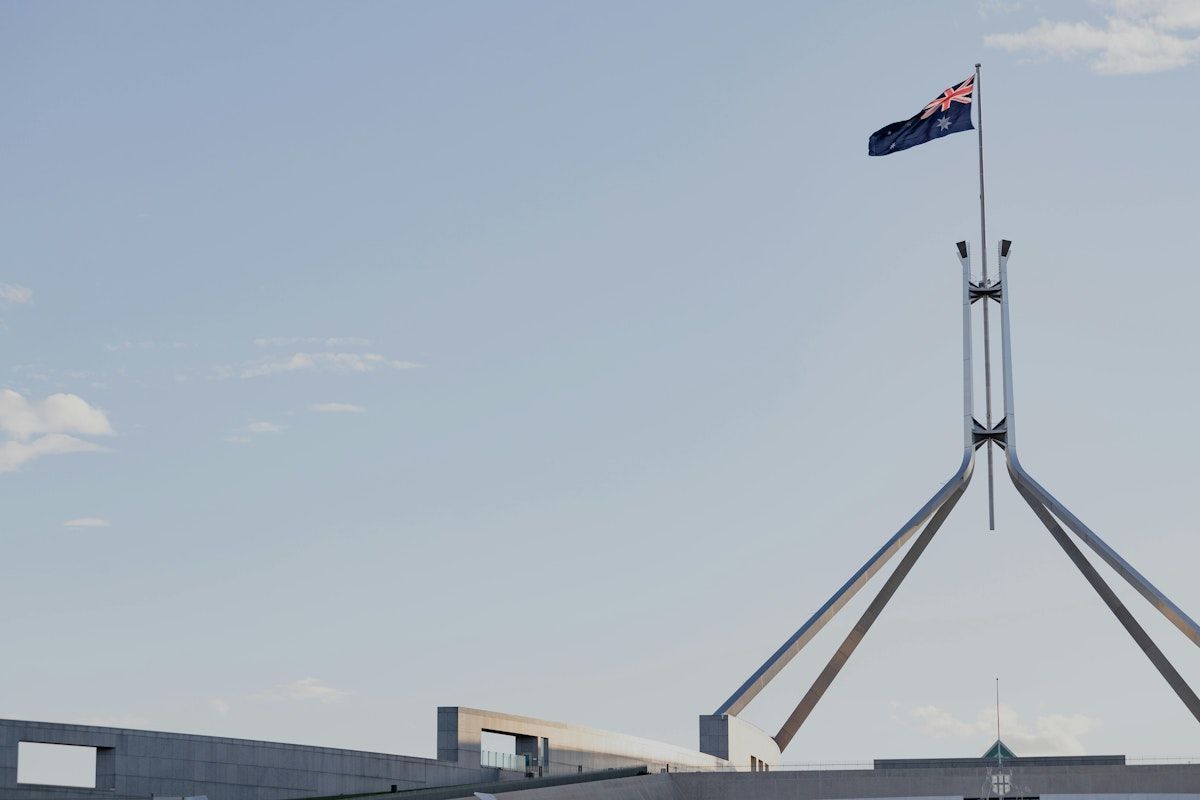
The Federal Treasurer, Dr Jim Chalmers, handed down the 2024–25 Federal Budget at 7:30 pm (AEST) on 14 May 2024.
Described as a “responsible Budget that helps people under pressure today”, the Treasurer has forecast a second consecutive surplus of $9.3 billion. The main priorities of the government, as reflected in the Budget, are helping with the cost of living, building more housing, investing in skills and education,strengthening Medicare and responsible economic management to help fight inflation.

The ATO has made a call to professional accountants to help identify and manage illegal early access to superannuation by members of self-managed superannuation funds (SMSFs).
In general, access to your super is only possible if: You retire and turn 60; or You turn 65 (regardless of whether you’re working).

So, should you help your children buy a home? If they can, many parents would prefer to assist their children when they need it most, rather than benefiting from an inheritance later in life. However, it’s essential that any support does not risk your financial security, and that means looking at what support you can afford to provide.

Australians love property and the lure of a 15% preferential tax rate on income during the accumulation phase, and potentially no tax during retirement, is a strong incentive for many SMSF trustees to dream of large returns from property development. We look at the pros, cons, and problems that often occur.

Are you making the most out of your investment property? Getting the income and allowable tax deductions right can be complex. Clarke McEwan Accountants can help sort out the details so you’re claiming all you can. Talk to us today to maximise your 2023 tax return. Brisbane and Sunshine Coast Accountants you can trust www.clarkemcewan.com.au

From 1 July 2023, access to the Government’s Home Guarantee Scheme will be expanded to joint applications from “friends, siblings, and other family members” and to those who have not owned a home for at least 10 years.

Question of the month: Company loan to pay down the mortgage A friend’s accountant suggested that they could reduce interest on non-deductible debt by using company cash to offset their personal mortgage, then transferring the cash back by 30 June. Is this an acceptable strategy? This might initially sound like a brilliant strategy but what is really happening is that you are using company funds to derive a personal benefit. Doing this once might not attract attention, but doing this more than once might trigger a deemed unfranked dividend under Division 7A. Section 109R is designed for scenarios like this. If this occurs, the repayment you made will be ignored, meaning that a deemed dividend could be triggered in relation to the funds initially borrowed from the company unless a complying loan agreement is put in place, in which case minimum loan repayments would need to be made to prevent a deemed dividend from arising. For example, let's assume you are a shareholder of the company (or an associate of a shareholder) and you borrow money from the company on 1 July 2022. This loan would generally fall within the scope of Division 7A, but a deemed dividend can be avoided if the loan is fully repaid by the earlier of the due date and actual lodgement date of the company's 2023 tax return. However, if you repay the loan but it appears that you intend to borrow a similar or larger amount from the company when making the repayment then the repayment can be ignored. The main exception to this is where the repayment is made in a way that is taxable to the individual (e.g., dividends or directors’ fees are set-off against the loan balance). One of the most common situations where section 109R could apply is where funds are taken from the company bank account and placed into a director's home loan offset account. Even if the funds are transferred back to the company before the end of the year, there is a significant risk of section 109R applying if the pattern repeats. That is, the money will be treated as a dividend and taxed as assessable income.

The Government has announced that from 2025‑26, the 15% concessional tax rate applied to future earnings for superannuation balances above $3 million will increase to 30%.
The concessional tax rate on earnings from superannuation in the accumulation phase will remain at 15% up to $3m. From $3m onwards, the rate will increase to 30%. The amendment applies to future earnings; it is not retrospective. 80,000 people are expected to be impacted by the measure. Contact Clarke McEwan Accountants for any queries you may have in relation to these new announcements.
