Key steps for stabilising your manufacturing business
Clarke McEwan Accountants
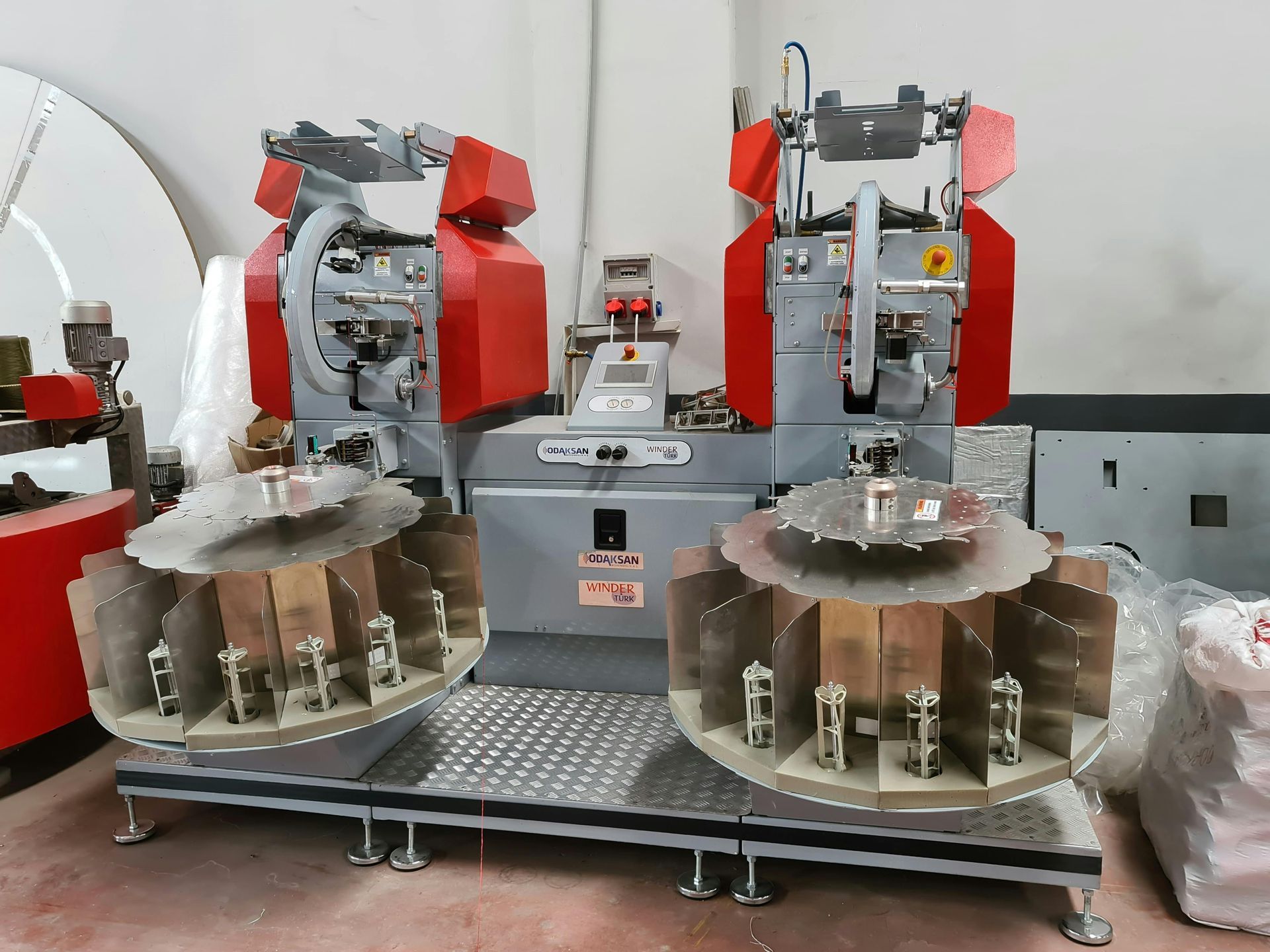
According to the NAB Quarterly SME Business Survey for Q3 2025, the health of Aussie SMEs is on the up, with SME business conditions rising 7pts in this third quarter of the year.
And there’s additional good news for manufacturing businesses – SME conditions for the manufacturing sector are up 11 points! Heading towards the end of the financial year, this improved outlook is a huge boost to confidence in the sector.
However, it’s not the time to get complacent. To really set your business up for success in 2026, we’ve highlighted four strategic elements that will help you to continue this upward trajectory.
1. Get in control of your costs
Explore fixed-price supplier contracts for key overheads like energy and raw materials.
Fixed terms help you lock in prices and minimize any cashflow shocks if there’s further volatility in the supply chain in 2026. With costs more predictable and stable, you’ll be able to budget more effectively and keep the business in a positive cashflow position.
2. Boost your cash collection cycle
Efficient collection of customer payments is a vital way to improve your cashflow position.
Try enforcing stricter payment terms with your customers and using multiple payment channels, so it’s as easy as possible for customers to settle their bill. You can also use finance tools like invoice finance or early payment discounts to shorten your cash collection cycle (CCC), helping to stabilize your working capital and reduce your reliance on short-term credit and loans.
3. Invest in technology and production efficiency
Automation technology offers a huge opportunity, if used wisely and strategically.
Put your capital into automation technology and machinery that enhances the productivity, efficiency and cost-effectiveness of your production processes. With the benefits of automation, you can address labour cost pressures, reduce your manufacturing waste and increase your overall output capacity – a vital step if you’re going to scale up production for 2026.
4. Get flexible with your people strategy
High staffing costs are eating into your margins, but there are ways to mitigate this impact.
Try increasing your use of third-party contractors for specialized or growth-phase roles. This helps you access the expertise, skills and knowledge you need, but without committing to the full financial load of hiring permanent, high-paid employees.
The signs of light at the end of the tunnel may be there for Australian manufacturing. But there’s real value in updating your business strategy for the coming year.
Book some time with our team to talk through your 2026 goals, your current strategic worries and where we can work with you to revise and refresh your strategy.